Archives
- 2026-07
- 2026-06
- 2026-05
- 2026-04
- 2026-03
- 2026-02
- 2026-01
- 2025-12
- 2025-11
- 2025-10
- 2025-09
- 2025-03
- 2025-02
- 2025-01
- 2024-12
- 2024-11
- 2024-10
- 2024-09
- 2024-08
- 2024-07
- 2024-06
- 2024-05
- 2024-04
- 2024-03
- 2024-02
- 2024-01
- 2023-12
- 2023-11
- 2023-10
- 2023-09
- 2023-08
- 2023-06
- 2023-05
- 2023-04
- 2023-03
- 2023-02
- 2023-01
- 2022-12
- 2022-11
- 2022-10
- 2022-09
- 2022-08
- 2022-07
- 2022-06
- 2022-05
- 2022-04
- 2022-03
- 2022-02
- 2022-01
- 2021-12
- 2021-11
- 2021-10
- 2021-09
- 2021-08
- 2021-07
- 2021-06
- 2021-05
- 2021-04
- 2021-03
- 2021-02
- 2021-01
- 2020-12
- 2020-11
- 2020-10
- 2020-09
- 2020-08
- 2020-07
- 2020-06
- 2020-05
- 2020-04
- 2020-03
- 2020-02
- 2020-01
- 2019-12
- 2019-11
- 2019-10
- 2019-09
- 2019-08
- 2019-07
- 2019-06
- 2019-05
- 2019-04
- 2018-11
- 2018-10
- 2018-07
-
mct2 pathway br Introduction Diacylglycerol kinase DGK is a
2019-09-02

Introduction Diacylglycerol kinase (DGK) is a lipid-metabolizing enzyme that phosphorylates diacylglycerol (DG) to produce phosphatidic mct2 pathway (PA) [[1], [2], [3], [4]]. DG and PA act as lipid second messengers in a wide variety of biological processes. Ten DGK isozymes (α, β, γ, δ, η, κ, ε
-
The molecular docking data supported the potential interacti
2019-09-02
The molecular docking data supported the potential interaction of lapachol and the synthetic naphthoquinonolyl compounds with the PfDHODH enzyme as the putative mechanism of action and the inhibition of parasite growth in vitro. In general, compounds fit well into the binding pocket of PfDHODH, the
-
It has been reported that CysLT receptors negatively regulat
2019-09-02
It has been reported that CysLT2 receptors negatively regulate CysLT1 receptor-mediated response in allergic airway inflammation in mice. Knockdown of CysLT2 receptors augmented CysLT1 receptor-mediated mast cell proliferation [31] and eosinophilic airway inflammation induced by antigen challenge in
-
PSB 0777 ammonium salt Experiment B CP during fear acquisiti
2019-09-02
Experiment 4B: CP154,526 during fear acquisition normalizes fear-potentiated startle and prevents exacerbation of contextual conditioned fear in SERT−/− rats. As genotypes differed markedly in basal fear acquisition, drug effects could differ strongly between genotypes. Therefore, all effects in th
-
Finally our results suggest that R may at
2019-09-02
Finally, our results suggest that σ2R may, at least partially, mediate the hunger-suppressive action of amphetamine by interacting with orexigenic receptors in CRF2R-OX1R heteromer contexts. Despite extensive evidence supporting the formation of GPCR oligomers in heterologous systems, the lack of ap
-
Several highly selective COX inhibitors coxibs have been rep
2019-09-02
Several highly selective COX-2 inhibitors (coxibs) have been reported and marketed [6], including celecoxib [7] and etoricoxib [8] (Fig. 1). Even though these drugs produce less ulceration than conventional NSAIDs, coxibs still produce significant gastric and cardiovascular side effects due to the d
-
To date little is known about the regulation of
2019-08-30
To date, little is known about the regulation of PCD through phytocystatin inhibitory activity. Inhibitors that may regulate leaf senescence (Huang et al., 2001, Tajima et al., 2011) or may inhibit PCD induced by abiotic factors, such as mechanical tissue damage or oxidative stress caused by cold (B
-
br Conclusions In the present study decreased AChE
2019-08-30
Conclusions In the present study, decreased AChE and increased BuChE and BeChE activities were observed in greenhouse workers relative to control subjects; however, these changes cannot be related to OP exposure but likely to pesticide-induced oxidative stress or a mild inflammatory state. The in
-
Our present results support a major role
2019-08-30
Our present results support a major role of EP1 receptors in peripheral heat sensitization and a smaller contribution to central heat sensitization but no contribution to mechanical sensitization. While the contribution of peripheral EP1 receptors to heat hyperalgesia is in good agreement with the a
-
The reaction of chitosan with DVS should take place primaril
2019-08-30
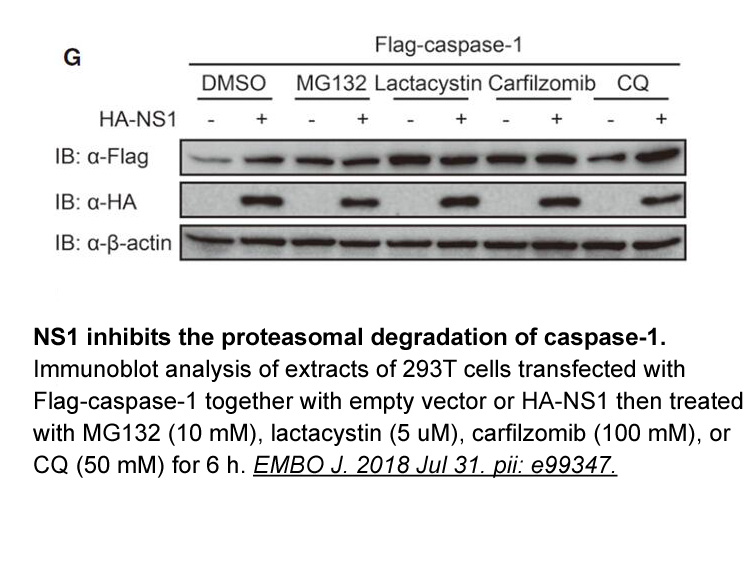
The reaction of chitosan with DVS should take place primarily through a nucleophilic attack of the vinyl sulfone groups to the amino groups in chitosan [39,50], although its hydroxyl groups can also be involved, as it happens when using agarose [35]. These reactions create very stable secondary amin
-
br Materials and methods br Result and discussion qRT PCR
2019-08-30
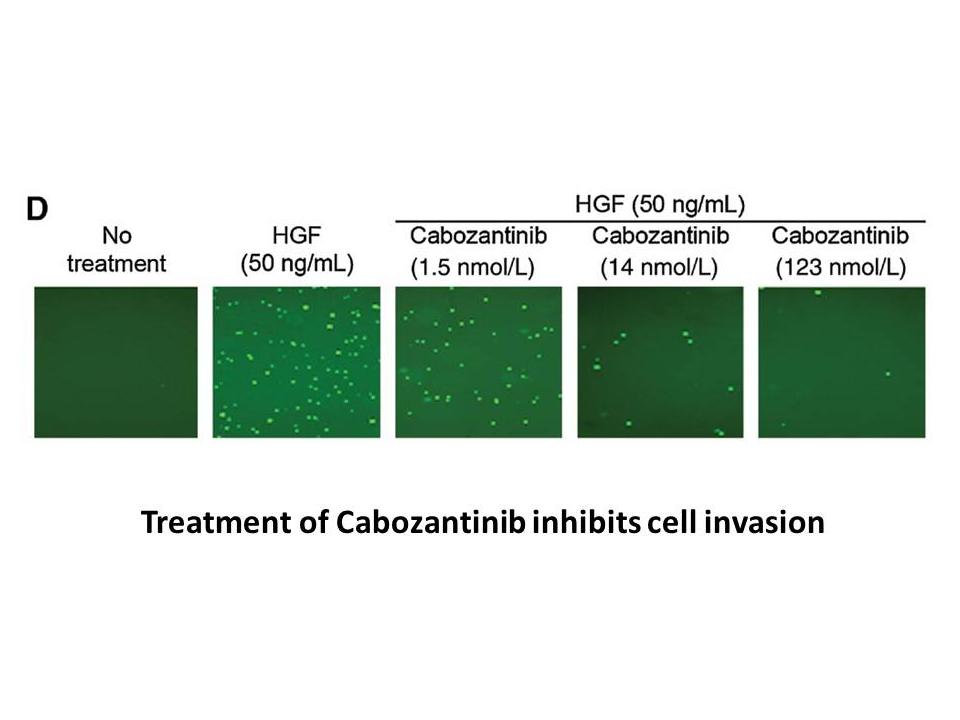
Materials and methods Result and discussion qRT-PCR was utilized to explore the effect of acetamizuril on the mRNA level of enolase. The results were analyzed according to the Livak 2−ΔΔCT method (Schmittgen and Livak, 2008): the mean CT of the enolase in treated and untreated samples was 29.8
-
SU11274 br Materials and Methods br
2019-08-30
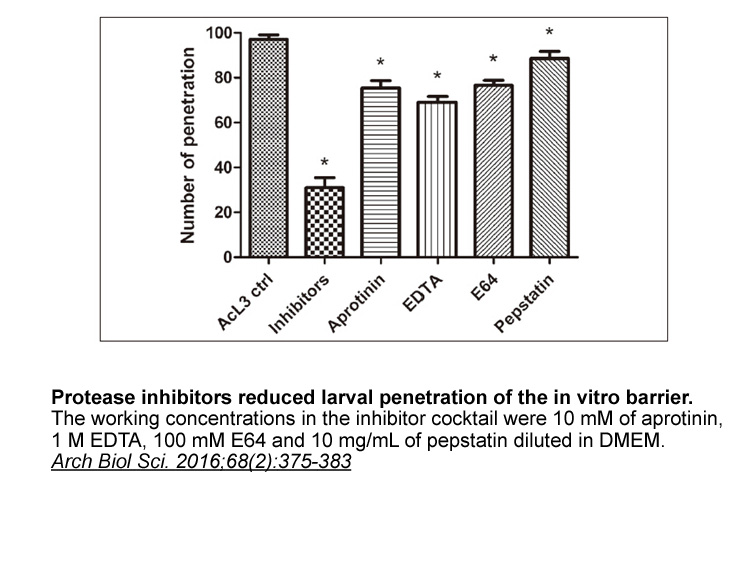
Materials and Methods Acknowledgements Authors would like to thank Mr. Pritam Naskar and Mr. Dibya Mukherjee for their help. Authors also acknowledge the help of Mr. Barun Mahata and Dr. Kaushik Biswas, Division of Molecular Medicine, Bose Institute, for human cDNA samples. P.A.B. and A.B.D. w
-
Compounds and administered orally to fasted Harlan Sprague D
2019-08-30
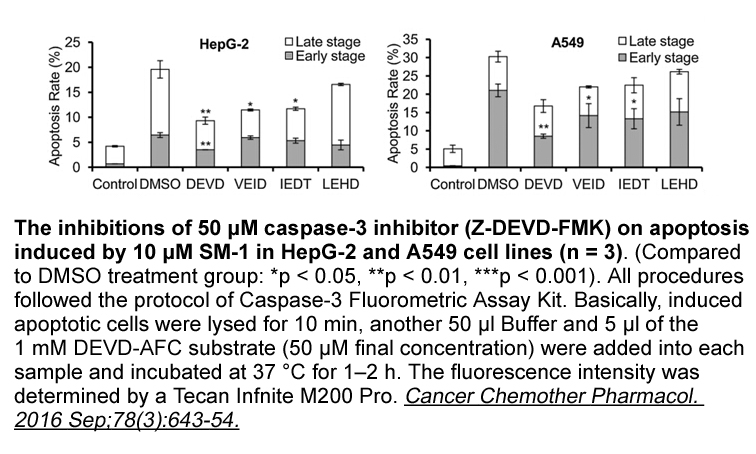
Compounds , , and administered orally to fasted Harlan Sprague-Dawley rats 1h prior to trigeminal stimulation, decreased extravasation in this model in a dose-related manner, with an estimated ID of 1, 10 and 100μg/kg, respectively (determined 15min after stimulation, ). For comparison, the clinical
-
Several evidences showed that seizures
2019-08-30
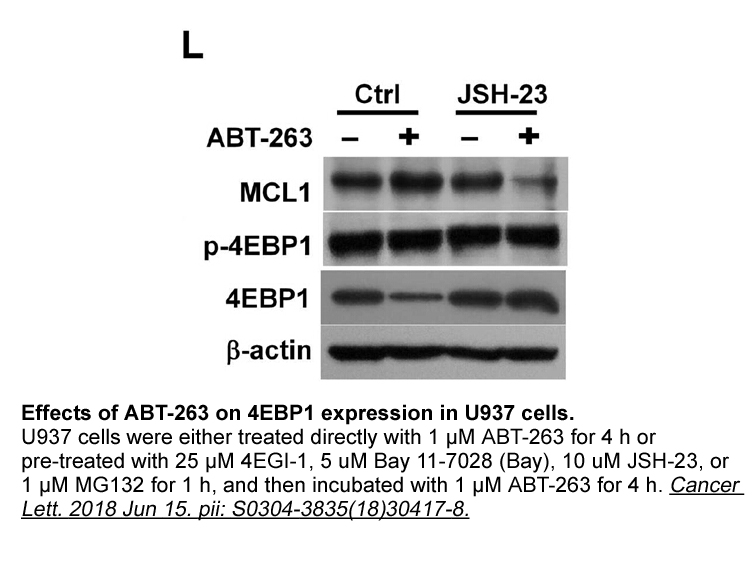
Several evidences showed that seizures increase brain extracellular glutamate, which binds to N-methyl-d-aspartate (NMDA) receptor, then up-regulated cyclooxygenase-2 (COX-2) expression in brain capillaries to increase BBB P-gp expression [11,13,29,30]. A recent study demonstrated a different signal
-
Amsacrine hydrochloride mass Although many neurotransmitters
2019-08-30
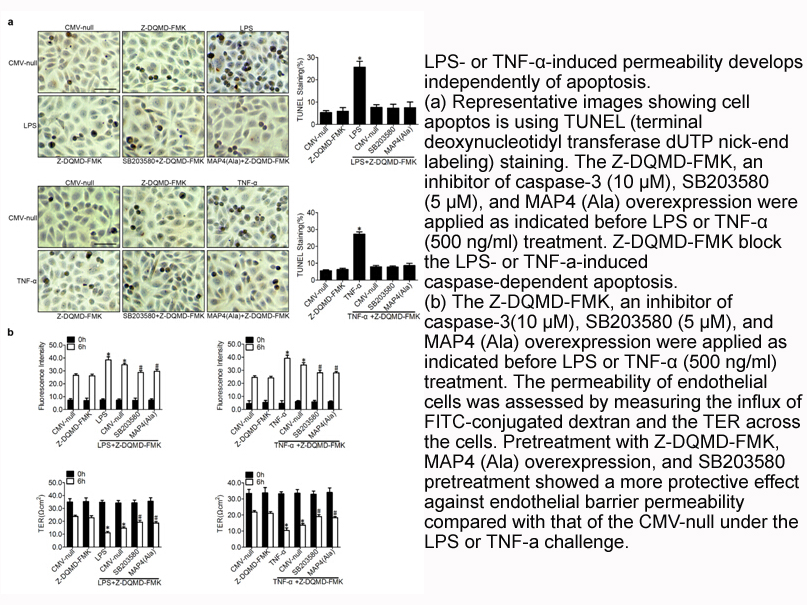
Although many neurotransmitters (e.g., catecholamines, serotonin, and excitatory/inhibitory amino acids) have been implicated in the modulation of anxiety-like responses (Carobrez et al., 2001, Molchanov and Guimaraes, 2002, Vianna et al., 2001), the so-called atypical neurotransmitters, endocannabi
16189 records 985/1080 page Previous Next First page 上5页 981982983984985 下5页 Last page